
Top 10 Strategies to Boost Remote Team Productivity: Actionable Tips Included
Due to the rapid transformation of the labor market in Saudi Arabia and the growing adoption of flexible work arrangements aligned with technological advancements—most notably remote work—organizations are increasingly embracing this model. These advanced technological shifts, coupled with government support under Saudi Vision 2030, have reinforced remote work as a key option across multiple sectors. Managing remote teams has become crucial for achieving organizational goals, as success now depends not only on resources but also on the management’s ability to maintain productivity even when team members work from dispersed locations.
Remote work in Saudi Arabia is no longer limited to the private sector; it has expanded to include numerous government entities, reflecting a growing recognition of flexible work’s role in giving employees greater freedom to organize and manage their time. Despite its clear advantages, the impact of remote work on performance and productivity remains widely debated. Its success depends on several factors, including quality of team communication, levels of motivation, organizational culture, and the methods and platforms used for monitoring and evaluation.
In this article, we present the top 10 strategies to enhance remote team productivity, complete with practical steps you can implement immediately to boost your team’s performance and achieve tangible results.
Set Clearly Measurable Goals (Implement the SMART Principle)
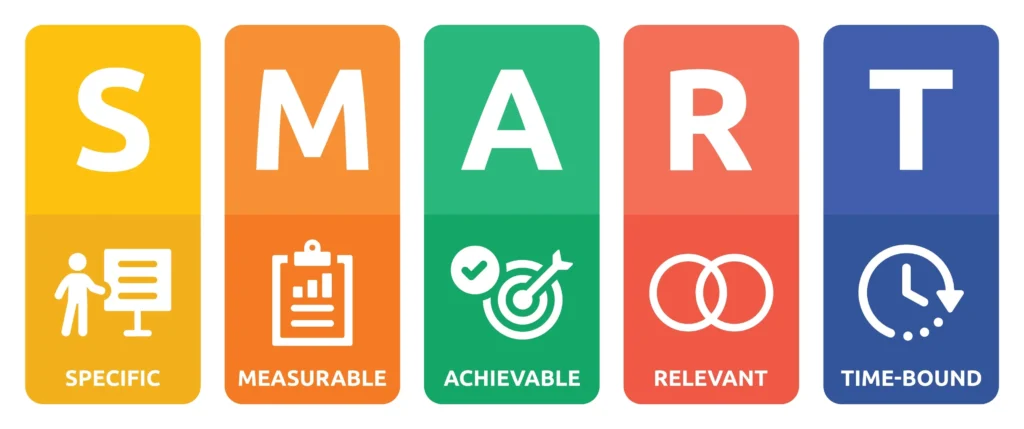
Even in a remote work setting, clear goals are what guide a team toward success. To ensure that these goals are productive and actionable, it is recommended to follow the SMART principle, which makes each objective specific, realistic, and measurable.
Components of the SMART Principle:
-
Specific: Define the goal precisely and unambiguously. For example: “Increase work productivity by 20% within 6 months.”
-
Measurable: Link the goal to clear numerical metrics to easily track progress.
-
Achievable: Ensure the goal is realistic and aligned with the team’s capabilities and available resources.
-
Relevant: Confirm that the goal supports the organization’s overall direction and strategy.
-
Time-bound: Set a clear deadline, creating positive motivation and commitment to achieving the goal.
-
Break Large Goals into Manageable, Trackable Tasks
Nothing discourages a team more than massive, unmeasurable goals. The solution is to divide them into smaller, coordinated tasks that can be easily tracked. This approach helps to:
-
Monitor progress more accurately and quickly identify areas for improvement.
-
Motivate the team through frequent small achievements, providing a sense of continuous progress.
-
Manage priorities effectively and allocate efforts wisely among team members.
-
Use Key Performance Indicators (KPIs)
KPIs are a vital tool for measuring progress toward goals. Choose indicators directly linked to work outcomes and monitor them regularly to assess true team performance. If the data reveals performance gaps, use them as opportunities to adjust strategies and improve results, rather than simply noting the shortfall.
-
Motivate the Team by Tracking Achievements
Linking goal attainment to motivation can make a significant difference in remote work environments. Share progress regularly with the team and celebrate small wins before the major ones. Ways to do this include:
-
Offering symbolic rewards or digital recognition certificates.
-
Highlighting individual achievements during meetings.
-
Turning goal completion into a collective experience that encourages collaboration and healthy competition.
This integrated approach helps set practical, clear goals and track them flexibly and effectively, making it one of the most impactful strategies to enhance remote team productivity while connecting daily efforts to tangible, measurable outcomes.
Establish Clear Communication Guidelines Within the Team
In a remote work environment, communication is more than just exchanging messages; it is the foundation of team collaboration and essential for smooth workflow and mutual understanding. Establishing clear communication guidelines helps organize channels, timing, and style.
-
Define official and informal communication channels
Start by identifying the appropriate channels for each type of communication. Formal correspondence can be handled via email, while tools like Slack or Microsoft Teams are suitable for quick chats and daily interactions. Make sure to clarify when and which channel should be used to avoid confusion, message duplication, and ensure task clarity.
-
Set clear communication and meeting times
Establish a schedule for regular meetings, whether short daily check-ins or weekly reviews of objectives. Agree on specific times when team members are available to respond to messages, ensuring workflow continues smoothly. Consider time zone differences if your team is internationally distributed, as this promotes fairness and inclusion.
-
Define the expected communication style and behavior
Set clear standards for how team members should communicate. For example, specify expected response times, the appropriate channel for each topic, and how formal messages should be crafted. Encourage clarity, conciseness, and respect in all interactions, avoiding vague or incomplete messages that could be misinterpreted. Use a positive and professional tone in all forms of communication, whether written, voice, or video.
-
The leader’s role in fostering transparency and trust
Leaders play a key role in establishing a healthy communication culture. By regularly sharing updates, opening channels for dialogue, and encouraging team members to express their opinions freely, leaders create an environment of openness and trust. Promoting constructive feedback further strengthens professional relationships and enhances team spirit.
Establishing clear communication rules ensures information flows smoothly, reduces misunderstandings, and improves team efficiency, collaboration, and productivity in a remote work setting.
“Successful leadership today is about influence, not authority.”
— Ken Blanchard
This quote captures the essence of modern leadership. An effective leader is no longer one who merely exercises authority but one who inspires and positively influences the team, guiding everyone toward a common goal with trust and collaboration.
Utilize Project Management and Video Meeting Tools Select 93 more words to run Humanizer.
In a remote work environment, digital tools form the backbone for organizing projects and ensuring effective team communication. Choosing the right tools directly contributes to increased productivity and smoother daily coordination.
1- Choose the Right Management Tools
It is recommended to use reliable platforms like Peak Time, Asana, and Jira to manage projects and track tasks. These tools are user-friendly, customizable, and integrate with other applications such as email or communication tools, making task management more streamlined and organized.
2- Schedule Regular Meetings Effectively
Regular virtual meetings are essential to maintain team cohesion. Platforms like Zoom, Microsoft Teams, and GoToMeeting provide high-quality video conferencing. It is important to set clear schedules for these meetings, whether daily or weekly, to review progress and to record sessions for future reference if needed.
3- Track Task Progress with Digital Boards
Tools like Peak Time offer interactive boards that display the status of each task (in progress, completed, or stalled). These platforms help managers monitor performance, reallocate resources, and identify any challenges that may hinder workflow.
4-Encourage Collaboration Through Interactive Platforms Like Miro
Miro provides interactive digital whiteboards used in workshops and meetings, making brainstorming and idea sharing a visual and collaborative process in real time. This engages all team members in collective thinking and fosters creativity and teamwork.
In short, these tools enable leaders and teams to organize work, enhance communication, and achieve goals more efficiently, even when separated by distance and time.
Track and Manage Team Time
In a remote work environment, time management is not just a skill—it is a leadership tool that determines how effectively your team can achieve goals sustainably. Here are key strategies to help manage your team’s time wisely and maximize productivity without sacrificing personal balance.
1. Implement the Pomodoro Technique to Improve Focus
Encourage your team to divide work hours into focused 25-minute intervals followed by short breaks. This simple method enhances concentration and reduces mental fatigue, ensuring tasks are completed steadily and without distraction.
2. Flexible Schedules Within Clear Boundaries
Set clear deadlines for each project or task while allowing team members the freedom to organize their work hours within those limits. This balance between flexibility and commitment provides clarity without excessive pressure and fosters trust and accountability.
3. Minimize Digital Distractions with Smart Rules
Designate specific times for responding to emails and messages, and encourage the use of “Do Not Disturb” mode during focus periods. This simple discipline directly improves work quality and boosts productivity.
4. Promote a Culture of Regular Breaks
Encourage your team to take short breaks for walking or breathing exercises. A refreshed mind is far more creative and productive than an exhausted one. Remember, a “non-stop work” culture is not a sign of productivity but a path to burnout and loss of focus.
5. Use Digital Tools for Time Management
Equip your team with smart tools like Peak Time to track hours and analyze daily work patterns. This data helps identify peak productivity periods for each member and optimize task allocation for maximum efficiency.
Implement Cybersecurity Strategies
1. Use VPNs and Secure Connections
Rely on VPNs to encrypt all communications between employees and the corporate network, protecting data from eavesdropping and breaches. Use strong security protocols to ensure information is transmitted safely and accessible only to authorized personnel.
2. Regularly Update Software and Security Systems
Apply security updates as soon as they are released for operating systems and applications to fix vulnerabilities. Implement modern antivirus software and firewalls to provide comprehensive protection.
3. Raise Team Awareness of Cybersecurity Risks
Conduct regular training sessions to educate employees about cyber threats, such as phishing, malware, and suspicious links. Reinforce policies for using strong passwords and enable two-factor authentication.
4. Establish Strict Data Protection and Privacy Policies
Develop clear policies for handling personal and organizational data, including access control, secure storage, and proper disposal. Conduct regular audits to ensure compliance with these policies and update them as needed.
Foster a Culture of Motivation and Recognition
In a remote work environment, nothing strengthens team cohesion like a sincere word of appreciation or recognition for outstanding effort. Praise is not just a courtesy; it fuels productivity and a sense of belonging, motivating individuals to give their best.
1. Give Regular and Genuine Recognition
As a leader, make it a habit to acknowledge your team’s achievements, whether individual or collective. Share how their work positively impacts the project or organization, providing a sense of accomplishment and belonging. Honest and direct motivation creates a positive energy that financial rewards alone cannot achieve.
2. Establish a Fair and Inspiring Reward System
Create a reward system that encourages high performance, whether through monetary bonuses, extra time off, or non-monetary recognition such as public praise in meetings or sharing success stories within the team. Remember, rewards are not limited to money; verbal recognition and public acknowledgment leave a lasting impact on employee motivation.
3. Hold Regular Motivational Meetings
Organize periodic sessions to highlight individual and team achievements, giving everyone a chance to share their experiences and challenges. These meetings are not just for workflow updates; they are opportunities to recharge team energy and strengthen interpersonal connections.
4. Encourage Participation and Sharing Achievements
Motivate team members to share both small and large successes, creating space for interaction and mutual support. These practices build a positive culture where everyone feels part of a collective success, rather than merely executing tasks.
Encourage Collaboration and Teamwork
In a remote work environment, collaboration is not optional; it is the foundation that ensures communication and a sense of belonging despite geographic distances. The more team members interact, the higher the quality of ideas and productivity.
1. Strengthen Team Spirit Through Small Workgroups
Divide the team into smaller subgroups that share common goals and complement each other in tasks. This approach enhances individual accountability, creates a more connected and interactive environment, accelerates communication, and allows for more flexible decision-making.
2. Build a Culture of Continuous Knowledge Sharing
Encourage the team to exchange knowledge and experiences regularly, whether through brief discussions or “peer learning” sessions. This type of sharing not only transfers expertise but also builds trust and deepens mutual understanding, making teamwork more cohesive and effective.
3. Develop Initiatives to Boost Group Interaction
Organize interactive activities such as brainstorming sessions and virtual workshops that bring the team together around a shared objective. These activities help break down psychological barriers among members and foster collective creativity in problem-solving and idea generation.
4. Embed Values of Collaboration and Mutual Respect
Instill a team culture based on active listening, supporting colleagues, and appreciating joint efforts. When each member feels heard and valued, the spirit of teamwork grows naturally and sustainably.
Organize Activities to Strengthen Belonging and Team Spirit
In a remote work environment in Saudi Arabia, a sense of belonging is one of the most important factors for maintaining employee motivation and psychological stability. The more individuals feel part of a cohesive professional community, the higher their productivity and quality of interaction.
1. Hold Regular Virtual Social Gatherings
Set aside time for casual sessions such as “coffee hours” or end-of-week meetups, where the team can chat freely and share experiences away from work pressures. These simple gatherings restore human warmth to professional relationships and reduce feelings of isolation.
2. Organize Group Competitions and Challenges
Create light-hearted activities like weekly contests or online team games. These events break routine, foster fun, and encourage healthy competition within the team, strengthening collaboration and bonds among members.
3. Involve the Team in Decision-Making
Give employees the opportunity to participate in decisions such as scheduling meetings or choosing preferred communication methods. Engaging them in daily decisions enhances their sense of responsibility and belonging, increasing commitment to the team’s success.
4. Encourage Informal Communication and Relationship Building
Allow friendly conversations on internal communication channels and promote simple activities like “story of the week” or “fun fact about yourself.” This type of spontaneous interaction creates a more human and balanced work environment, even across distances.
Continuous Training and Skill Development
1. Foster a Culture of Continuous Learning
Start by establishing a culture where learning is part of daily work rather than an additional task. Encourage the team to ask questions, share experiences, and exchange knowledge. Ensure that members feel their professional development is an investment in themselves, not just a requirement from the organization.
2. Allocate Official Time for Professional Development
Set aside specific weekly or monthly time blocks for learning, sending a clear message about the importance of training. These periods can be short but regular, helping the team acquire new skills without disrupting workflow.
3. Create Individual Development Plans for Each Employee
Identify each team member’s strengths and growth opportunities through regular performance evaluations, then create a personalized development plan that aligns with their ambitions and career path. This approach enhances a sense of care and loyalty toward the organization.
4. Support Self-Learning and Individual Initiatives
Encourage team members to research and explore new topics related to their work, then share their findings with colleagues. This method fosters collaboration and transforms the team into a living learning community.
5. Promote Group and Experiential Learning
Instead of relying solely on theoretical lectures, organize short practical or discussion sessions after completing projects to analyze and share lessons learned. This type of “learning from experience” is the most sustainable and impactful approach.
Provide a Flexible Work Environment
In a rapidly changing world, flexibility in the work environment has become one of the key factors determining organizational success and sustainability. Teams that operate with higher flexibility are more adaptable, committed, and productive.
1. Adopt Outcome-Based Flexible Schedules
Instead of focusing on the number of hours worked, prioritize achieving goals and deliverables. Allow employees to choose their working hours according to their personal circumstances, as long as it does not affect project progress or team commitments. This approach builds trust, responsibility, and sustainable productivity.
2. Promote Work-Life Balance
Support employees both mentally and professionally by encouraging a clear separation between work and personal life. Implement policies that promote adequate breaks, respect personal time, and avoid meetings outside official working hours. True balance enhances job satisfaction and reduces burnout.
3. Design Adaptable Flexible Policies
Make flexibility a core part of the organization’s policy, not just an exception. Create systems that allow seamless transitions between remote work and office presence based on task requirements. This approach enables the organization to respond quickly to changes without disrupting efficiency.
4. Build a Culture of Trust and Empowerment
Flexibility cannot succeed without trust. Adopt a management style based on empowerment and accountability, giving employees the freedom to decide how to perform their tasks while monitoring results clearly and transparently. This trust naturally fosters commitment, creativity, and innovation within the team.
In conclusion, enhancing the productivity of remote teams does not rely on a single tool or method, but on a comprehensive blend of managerial and human-centered strategies. From establishing clear communication rules and setting measurable goals to effective time management, continuous motivation, and providing a flexible work environment, these practices collectively help build more cohesive, innovative teams capable of achieving results.
However, the most important aspect is the commitment to continuous experimentation and evaluation. Remote work is dynamic and ever-changing, making it essential to regularly review performance, listen to team feedback, and adapt strategies to meet their real needs effectively.
- October 8, 2025
- PeakTime Team
- 12:48 pm
أحدث المقالات
Recent Posts
- Fundamentals of Performance Management: Your Path to Administrative Excellence

- Performance Improvement Plan (PIP): Effective Strategies for Managing Underperformance in Organizations

- Employee Performance Measurement Using Key Performance Indicators (KPIs)

- Employee KPIs: A Strategic Tool to Boost Performance and Foster a Culture of Excellence

- Job Performance Evaluation: Its Role and Importance in Organizational and Employee Development
