Peak

The Concept of Performance Management and Its Importance in Organizational Success

 
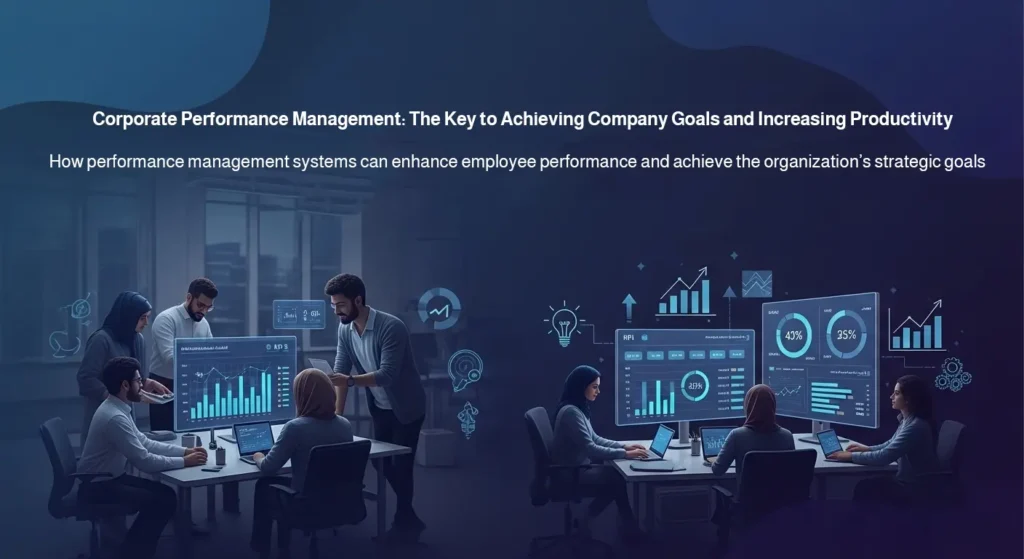
Corporate performance management is a cornerstone for achieving organizational objectives and enhancing employee performance. By implementing effective performance management strategies, organizations can boost productivity and optimize operational efficiency.
Human resources play a vital role in supporting this process by providing the necessary tools and methodologies to achieve operational excellence. In this context, we will examine the importance of performance management in achieving an organization’s strategic objectives.

The Concept of Performance Management and Its Historical Evolution

Performance management is a comprehensive process aimed at enhancing both employee and organizational performance. This process involves setting objectives, evaluating performance, and developing plans to improve future outcomes.

Definition of Performance Management and Its Core Elements
Performance management is defined as “a continuous and comprehensive process aimed at improving organizational performance by enhancing the performance of individuals and teams.” Its core elements include goal setting, performance evaluation, and providing constructive feedback.

It also encompasses developing training plans and linking rewards to performance outcomes.

Historical Evolution of Performance Management
The concept of performance management has evolved significantly over time. Initially, the focus was primarily on periodic performance appraisals. Over the years, it has grown into a more holistic approach, emphasizing continuous performance improvement and employee development.

Difference Between Performance Management and Job Performance Evaluation
Job performance evaluation is a component of the broader performance management process. While performance evaluation focuses on assessing an employee’s performance at the end of a period, performance management emphasizes ongoing improvement and professional development.

Performance Management and Its Role in Achieving Strategic Goals

Linking Employee Performance to Strategic Goals

Aligning employee performance with an organization’s strategic objectives requires a clear understanding of its vision and overall goals. This can be achieved through:

  • Setting individual goals that align with strategic objectives.

  • Providing necessary training and development to enhance employee skills.

  • Conducting regular performance evaluations and offering constructive feedback.

Translating Vision into Measurable Goals

Turning vision into actionable goals involves:

  • Defining Key Performance Indicators (KPIs).

  • Creating clear and specific action plans.

  • Monitoring progress and adjusting plans as needed.

Balancing Short-Term and Long-Term Goals

Organizations must balance short-term targets with long-term strategic objectives. This can be achieved by:

    • Setting short-term goals that support the overall strategy.

    • Developing long-term plans to ensure sustainable growth.

Benefits of Performance Management in Organizations

Implementing performance management is a strategic investment that enhances organizational effectiveness on multiple levels. Its key benefits include:

  • Enhancing Strategic Planning: Aligning employee goals with the organization’s strategic objectives to ensure the overall vision is achieved.

  • Investing in Human Capital: Developing employee skills and boosting their efficiency, which positively impacts organizational performance.

  • Leadership Development: Refining leadership skills among talented employees to ensure sustainable organizational performance.

  • Improving Overall Organizational Efficiency: Streamlining processes, reducing waste, and increasing productivity.

  • Increasing Productivity and Work Quality: Through ongoing performance monitoring, guidance, and constructive feedback.

  • Boosting Employee Satisfaction and Engagement: Involving employees in goal setting and providing a fair, transparent evaluation environment.

  • Supporting Data-Driven Decision Making: Informing promotions, rewards, and identifying training needs.

  • Fostering a Culture of Continuous Performance: Establishing a work environment that encourages ongoing improvement and individual and team development.

In summary, performance management is a comprehensive strategic tool that enhances organizational efficiency and ensures goals are achieved effectively and sustainably.

Principles of Effective Performance Management

Transparency and Fairness in Performance Evaluation
Transparency and fairness are fundamental principles of effective performance management. Evaluation criteria should be clear and understandable to all employees, avoiding bias and subjectivity. This approach helps build trust between management and staff.

Focus on Results and Processes

  • Monitoring employee progress toward achieving goals.

  • Providing feedback and adjusting objectives as needed.

  • Addressing challenges and obstacles employees face during the performance cycle.

Employee Involvement and Collaboration
Collaboration between management and employees is another key principle. Encouraging open dialogue and involving employees in goal setting fosters a sense of ownership and commitment.

Continuous Improvement and Development
Effective performance management emphasizes ongoing improvement and professional growth. This requires regular performance evaluations, identifying areas for development, and creating plans to enhance skills and capabilities.

In summary, the principles of effective performance management are essential for organizational success. By applying these principles, organizations can boost employee performance and achieve their strategic objectives.

The Role of Human Resources (HR) in Performance Management

Identifying Required Competencies and Skills
Identifying the competencies and skills needed for each role is a fundamental step in performance management. This involves a thorough job analysis to determine the skills necessary for employees to perform their roles effectively.

Developing a Job Performance Evaluation System
Creating a performance evaluation system requires establishing clear and objective criteria to assess employee performance. The system should be comprehensive and fair, taking into account various aspects of performance.

Linking Performance to Rewards and Incentives
Connecting performance with rewards and incentives motivates employees to enhance their performance. Rewards and incentives should be directly tied to individual performance, boosting both job satisfaction and productivity.

Career Development and Professional Growth Planning
Planning employees’ career development and professional growth helps improve job satisfaction and retain top talent. This requires understanding employees’ ambitions and providing the necessary opportunities for skill and career advancement.


Aspect Description Importance
Competency Identification Analyzing job roles and determining required skills High
Performance Evaluation Establishing objective criteria to assess performance High
Rewards and Incentives Linking rewards to employee performance Medium
Professional Development Providing opportunities for employee growth High

Strategies for Enhancing Organizational Performance

Strategies for improving organizational performance are a cornerstone for achieving an organization’s strategic objectives. Several key elements play a critical role in boosting overall performance:

Analyzing Performance Gaps and Identifying Causes
Enhancing organizational performance begins with a thorough analysis of performance gaps and their root causes. This requires advanced data analysis tools and techniques to identify areas that need improvement. Understanding these causes enables organizations to develop effective plans to close performance gaps and improve overall outcomes.

Developing Individual and Team Improvement Plans
Once performance gaps are identified, the next step is to create individual and team improvement plans. These plans should be based on clear, measurable goals and focus on strengthening the skills and competencies required for achieving excellence.

Building a Culture of Excellence and High Performance
Establishing a culture of excellence requires ongoing effort. This includes promoting values such as innovation and excellence, encouraging employees to take initiative, and fostering accountability throughout the organization.

Empowering Employees and Enhancing Accountability
Employee empowerment and accountability are essential for improving organizational performance. By granting employees the authority and professional development opportunities they need, organizations can elevate employee performance and achieve strategic goals.

In conclusion, strategies for enhancing organizational performance are integral to sustainable success. By implementing these strategies, organizations can improve performance, boost competitiveness, and strengthen their market position.

Challenges in Implementing Performance Management and How to Overcome Them

Implementing performance management faces several challenges that organizations must address to ensure its success. Effective performance management requires understanding these challenges and adopting strategies to overcome them.

Resistance to Change and Fear of Evaluation
A major challenge is employees’ resistance to change and fear of evaluation. Many employees may feel anxious or apprehensive about the evaluation process, leading to resistance toward performance management initiatives. To overcome this, management should communicate clearly about the objectives and benefits of performance management.

Unclear Goals and Standards
Lack of clear goals and standards is another challenge. Without well-defined objectives and measurable criteria, evaluating performance effectively becomes difficult. Organizations should establish clear, measurable goals and provide training to employees on understanding these targets.

Managers’ Lack of Performance Management Skills
Weak managerial skills in performance management can undermine the evaluation process. Organizations need to provide training and support to managers to enhance their ability to manage performance and assess employees accurately.

Bias and Subjectivity in Evaluation
Bias and subjectivity in evaluations can lead to unfair outcomes. Organizations should set clear, objective performance criteria and train managers to minimize bias during assessments.

By addressing these challenges, organizations can improve the effectiveness of performance management and enhance employee performance. Achieving this requires commitment from top management and investment in training and development.

Technology and HR Software in Enhancing Performance Management

Technology and HR software have become essential tools for enhancing performance management within organizations. By providing advanced digital systems, organizations can significantly improve the efficiency of their performance management processes.

Electronic Performance Management Systems
Electronic performance management systems offer an integrated platform for planning, evaluating, and developing employee performance. These systems allow managers and employees to access real-time performance data, making monitoring and evaluation more efficient.

Data Analysis and Evidence-Based Decision Making
Modern HR software enables organizations to analyze performance data accurately. This analysis supports evidence-based decision-making, enhancing the effectiveness of performance management strategies.

Continuous Evaluation and Real-Time Feedback
Technology facilitates continuous performance assessment and immediate feedback. This approach promotes ongoing development and improves overall team performance.

Artificial Intelligence and Its Applications in Performance Management
Artificial intelligence (AI) opens new avenues for improving performance management. By analyzing patterns in performance data, AI can provide recommendations to enhance both individual and team performance.

In conclusion, technology and HR software play a critical role in strengthening performance management. Leveraging these tools allows organizations to streamline their processes and achieve strategic objectives more effectively.

Try the Optimal Solution for Your Organization Now

Instead of spending hours on manual reports, let technology handle the hard work while you focus on leading your team to excellence.

Request a Free Trial

Successful Models in Performance Management

Successful performance management models highlight the importance of effective planning and execution. Many companies worldwide have achieved significant results by implementing advanced performance management strategies.

Case Studies from Leading Global Companies

Google, for example, uses an advanced performance evaluation system based on continuous feedback. This approach has fostered innovation and creativity across the company.

“Continuous feedback is the cornerstone of our success in improving performance.” – Sundar Pichai, Google

Microsoft has also implemented a comprehensive performance management system that emphasizes goal setting and ongoing monitoring.

Experiences from Arab Organizations in Developing Performance Management Systems

In the Arab world, several organizations have successfully implemented effective performance management systems. For instance, Saudi Aramco introduced an integrated system that links employee performance directly to the company’s strategic objectives.

Organization Performance Management System Results
Saudi Aramco An integrated system linking employee performance with strategic company objectives Improved overall performance and increased productivity
Emirates Group A system based on continuous evaluation and feedback Enhanced employee satisfaction and performance improvement
Corporate performance management is a critical element in achieving organizational goals and enhancing productivity. By aligning employee performance with strategic objectives, organizations can boost efficiency and drive success.
Effective performance management requires applying principles of transparency and fairness, focusing on both results and processes, and fostering collaboration between management and employees. Leveraging technology and HR software is also essential to strengthening performance management practices.
Organizations can further improve performance management by analyzing performance gaps, developing individual and team improvement plans, and cultivating a culture of excellence and high performance. Learning from successful organizations’ experiences in performance management can provide valuable guidance.
In conclusion, performance management is a vital tool for achieving corporate goals and enhancing organizational efficiency. By implementing effective performance management principles and embracing technology, organizations can continuously improve and sustain their performance.

Performance Management FAQs

Why is performance management important in organizations?
Performance management plays a critical role in achieving organizational goals by enhancing employee performance and overall efficiency.
How does performance management differ from employee performance evaluation?
Performance management is a comprehensive process involving planning, execution, evaluation, and development, whereas performance evaluation focuses on assessing employee results at the end of a period.
What are the principles of effective performance management?
Key principles include transparency and fairness, focusing on results and processes, fostering collaboration between management and employees, and promoting continuous improvement and development.
How can organizational performance be improved?
By analyzing performance gaps, developing individual and team improvement plans, building a culture of excellence, and empowering employees while enhancing accountability.
What challenges are faced when implementing performance management?
Challenges include resistance to change, unclear goals and standards, weak managerial skills, and bias or subjectivity in the evaluation process.
How can technology enhance performance management?
Through digital performance management systems, data analysis, evidence-based decision-making, and real-time feedback.
What is the corporate performance management cycle?
It includes planning and goal setting, execution and monitoring, evaluation and review, followed by development and performance improvement.
How can employee performance be aligned with strategic organizational objectives?
By setting individual and team goals aligned with the organization’s objectives, and conducting regular performance monitoring and evaluation.