
Common Task Management Mistakes and How to Avoid Them with Modern Systems
In today’s fast-paced world, task management has become essential for the success of employees, managers, and entrepreneurs alike. With mounting responsibilities and increasing work pressures, organizing tasks is no longer optional—it’s a necessity for ensuring efficient execution and meeting deadlines. Despite its importance, many people fall into common pitfalls that negatively impact their productivity, work-life balance, and team performance within organizations.
In this article, we highlight the most frequent task management mistakes and examine their direct effects on individual and team performance. We also explore how modern systems and digital planning tools can bring a real transformation in the way tasks are managed and workflows are organized.
Why Is Task Management an Essential Skill?
Task management is not just about organizing your workday; it is a strategic tool for ensuring smooth workflows and achieving team objectives. The ability to assign tasks thoughtfully and set clear priorities helps managers create a more productive and cohesive work environment. Through effective task management, managers can:
Direct employees toward high-priority tasks, ensuring efforts are focused on activities that deliver the greatest value.
Prevent time and resource wastage by assigning tasks based on each employee’s actual skills and capacity.
Boost efficiency and productivity through continuous progress tracking and timely removal of obstacles.
Reduce stress and burnout within the team by organizing work effectively and avoiding task overload or unfair distribution.
The Impact of Poor Task Management on Individual and Team Performance
- Task delays and missed deadlines often result from a lack of clear planning.
- Increased stress and burnout resulting from task overload and poor time control.
- Reduced work quality and outcomes caused by rushing or a lack of focus.
- Weak coordination among team members due to unclear responsibilities and overlapping roles.
- Project delays and unmet objectives stemming from inadequate follow-up and priority-setting.
- Higher costs and strained professional relationships caused by repeated mistakes and rising internal pressures.
Common Mistakes in Task Management
Failing to Set Clear Priorities
One of the most common mistakes is failing to establish clear priorities. Without knowing which tasks are most important, you risk spending time on low-value activities, leading to delays in completing essential tasks.
Overly Long and Disorganized To‑Do Lists
Creating excessively long or poorly organized task lists can backfire. Instead of helping you focus, they can leave you feeling overwhelmed and confused.
Unclear Tasks and Goals
When tasks and objectives are vague, it becomes difficult to determine the steps needed to complete them. This lack of clarity often results in delays and frustration.
Multitasking and Constant Distraction
Attempting to juggle multiple tasks at once can reduce productivity and increase errors. Continuous distractions hinder focus and make it challenging to complete any task effectively.
Overloading Employees Beyond Their Capacity
Assigning tasks that exceed an employee’s capabilities or available time can lead to burnout and lower morale. It’s essential to distribute tasks fairly and consider each individual’s capacity.
The Impact of These Mistakes on Productivity
Wasted Time and Task Procrastination
Mistakes in task management directly lead to wasted time, as individuals spend more effort trying to understand and organize tasks instead of completing them. This results in postponed tasks piling up and a decline in overall productivity.
Increased Stress and Burnout
Ineffective task management causes significant psychological pressure. The constant feeling of having too much to do and too little time leads to burnout and negatively impacts overall health.
Decline in Work Quality and Outcomes
When employees are overloaded and unable to focus, the quality of work drops. Mistakes become more frequent, and final results often fall short of required standards.
Poor Coordination Among Teams or Individuals
In collaborative environments, poor task management weakens coordination. Lack of clarity in responsibilities and deadlines causes confusion and delays, ultimately reducing team efficiency.
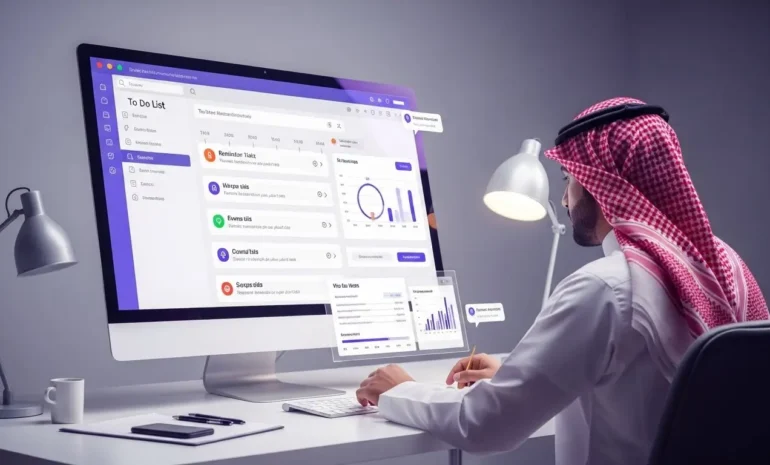
How Modern Systems Help Improve Task Management
Digital Planning Tools and Smart Calendars
Digital planning tools and smart calendars provide an efficient way to organize tasks and set deadlines. They help you:
Create digital to-do lists.
Prioritize tasks effectively.
Receive reminders for upcoming deadlines.
Project Management Tools
Project management systems are powerful tools for planning and tracking complex projects. They help you:
Break projects into smaller, manageable tasks.
Assign tasks to team members.
Continuously monitor task progress.
Task Progress Tracking and Smart Reports
Modern systems offer tools to track task progress and generate intelligent reports. These insights help you:
Identify overdue tasks.
Measure team performance.
Pinpoint areas for improvement.
Facilitating Collaboration and Task Sharing
Modern tools make it easier for teams to collaborate and share tasks. They allow you to:
Easily share tasks and files.
Communicate and collaborate in real-time.
Track changes and updates efficiently.
Practical Tips to Avoid Mistakes and Improve Work Organization
Set Clear Daily Tasks with Priorities
Start each day by creating a clear and specific task list, ranking tasks according to priority. This helps maintain focus on the most important activities and prevents time from being wasted.
Use an Integrated Digital Task Management System
Invest in a comprehensive digital task management system. These platforms provide the tools needed to plan, organize, and track tasks efficiently.
Break Large Projects into Smaller Tasks
When facing a large project, divide it into smaller, manageable tasks. This makes the project less overwhelming and easier to track progress.
Schedule Regular Breaks to Avoid Burnout
Don’t forget to schedule regular breaks throughout the day. Breaks help recharge your energy and improve focus.
Review Tasks Regularly and Analyze Performance
Regularly review your tasks and analyze your performance. This helps identify mistakes, make corrections, and continuously improve your work organization.
Combining Best Practices with Modern Technology
The Importance of Combining Personal Planning with Modern Systems
Combining effective personal planning with modern digital systems is key to successful task management. While technology provides the tools, personal planning ensures these tools are used efficiently to achieve your goals.
Practical Steps to Improve Task Management Immediately
Set Your Priorities: Identify the most important tasks that require immediate attention.
Use Digital Tools: Choose a task management system that fits your needs and use it consistently.
Break Down Large Tasks: Divide big projects into smaller, manageable tasks.
Review and Analyze: Regularly review your tasks and performance to identify areas for improvement.
By following these tips and integrating modern technology into your task management process, you can boost productivity, reduce stress, and achieve your goals more effectively.
Modern systems and digital planning tools offer significant opportunities to improve the way we work. They help organize tasks, track progress, enhance team collaboration, and provide accurate reports that support better decision-making. When these tools are combined with effective personal planning, they create an ideal balance between productivity and workload, while reducing stress caused by chaos and task overload.
To achieve tangible results, you can start immediately with simple steps such as setting daily priorities, breaking large projects into smaller tasks, using the right digital tools, and consistently reviewing your performance. When consistently applied, these practices transform how we handle daily tasks, paving the way for higher productivity and more efficiently achieved goals.
By following these principles and leveraging technology intelligently, you can overcome common task management mistakes and create a more organized, successful work environment—for both yourself and your team.
- December 16, 2025
- PeakTime Team
- 11:36 am
أحدث المقالات
Recent Posts
- Common Task Management Mistakes — and How to Avoid Them Using Modern Systems
- The Importance of Work Hour Tracking App in Human Resource Management

- How to Choose and Implement the Right Time-Tracking Systems for Your Company

- Task Management Systems: A Comprehensive Guide to Choosing the Best Solution for Your Company

- Administrative Excellence in Team Management Using Peak Time

FAQ
Failing to set clear priorities, creating long and disorganized task lists, attempting to multitask, and relying on memory instead of writing tasks down.
Focus on 3–5 key daily tasks, use the Eisenhower matrix to determine importance and urgency, and remove or delegate secondary tasks.
Constantly switching between tasks consumes mental energy. To avoid this, group similar tasks into time blocks, such as handling emails all at once.
By breaking tasks into smaller steps with realistic deadlines, using visual task boards like Trello, automation tools like Monday.com, and reminders for deadlines and time tracking.
Scheduling short breaks between tasks maintains focus and energy, and dedicating 5–10 minutes weekly to review task lists and analyze performance improves productivity.