
Team Management: Definition, Strategies, and the Best Digital Tools to Boost Performance and Collaboration
Amid the rapid digital transformation sweeping across Saudi Arabia and the region, coupled with the rise of hybrid work models that blend in-office presence with remote work, one question arises: How is team management evolving to meet this new landscape?
Modern digital tools alone are no longer sufficient to ensure success. Effective leadership and a supportive organizational culture that foster collaboration, drive innovation, and sustain productivity in a fast-changing world have become equally essential.
Team management has evolved into a core pillar for organizations aiming to remain competitive in a complex digital environment, where individuals work from multiple locations and rely on digital solutions to organize tasks, communicate, and achieve shared goals. In this article, we provide a comprehensive and practical guide to team leadership, covering:
-
The concept of team management and the key roles and responsibilities of leaders
-
Essential skills for building successful and effective teams
-
Top modern tools and technologies that enhance collaboration and productivity in digital and hybrid work environments
-
Future trends shaping the way teams will be managed in the years to come.
This guide aims to help leaders and managers understand emerging challenges and opportunities, adapt to rapid changes in the contemporary work environment, and strike the right balance between technology and the human element to create a motivating and productive workplace.
What is Team Management?
Team management is the process of organizing and directing the efforts of a group of individuals to achieve a common goal efficiently and effectively. Simply put, it involves coordinating tasks, assigning roles, and motivating team members to ensure work is completed in the best possible way.
The distinction between team management and leadership lies in their focus:
Management primarily deals with organizational and planning aspects, such as monitoring performance and allocating resources, while leadership emphasizes the human element—motivating the team, building trust, and fostering collaboration within a positive and supportive work environment.
With the significant shift toward flexible and hybrid work models, team management is no longer limited to daily coordination among in-office staff. It now encompasses managing digital communication, leveraging remote work tools and technologies, and striking a smart balance between human interaction and technology to ensure both productivity and employee satisfaction.
Today’s concept of team management goes beyond traditional definitions. It reflects the integration of classical management skills with modern leadership and digital technologies—a combination essential for building cohesive and effective teams in the contemporary digital workplace.
The Importance of Team Management in Organizational Success
Team management is no longer just an organizational function within companies; it has become a key driver of institutional success and sustainability. It is directly linked to increased productivity, enhanced employee loyalty, and the creation of a work environment that encourages innovation.
When teams are managed effectively, a dynamic synergy emerges among members, resulting in faster execution and higher-quality outcomes. Studies show that collaborative teams achieve 20–25% higher productivity compared to teams lacking effective communication or coordination. Effective management also helps reduce employee turnover by fostering a culture of trust, belonging, and commitment.
Globally, leading companies provide practical examples of advanced team management. GitHub, for instance, has developed a comprehensive remote work system built on transparency and advanced digital tools to organize collaborative work. Microsoft has adopted a hybrid work model through Teams, offering greater flexibility without compromising communication or productivity. Atlassian relies on tools like Jira and Confluence to facilitate project management and enhance collaboration between development and creative teams.
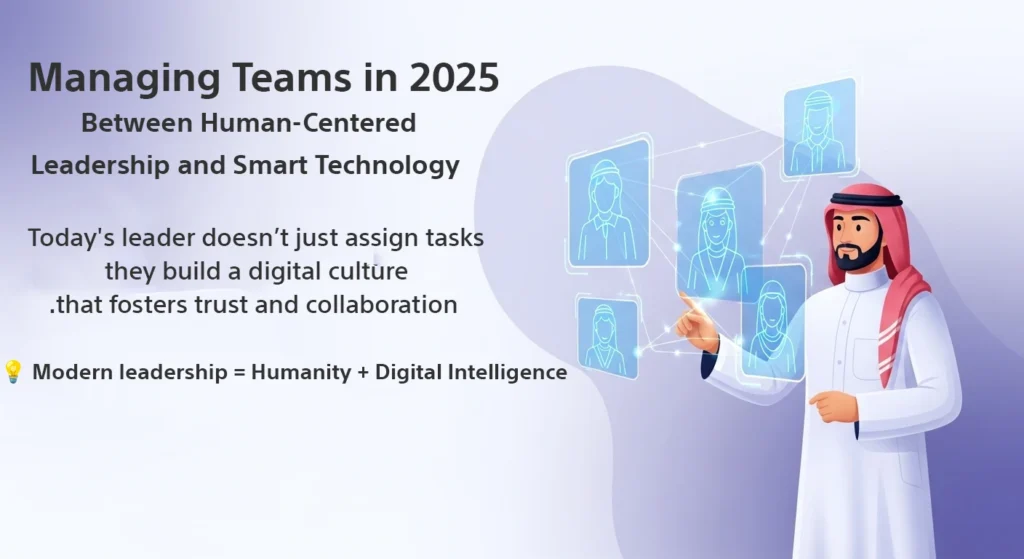
Ultimately, effective team management goes beyond simply assigning tasks. It involves building a collaborative culture that promotes innovation while leveraging technology to support both teamwork and human interaction. This is the formula that separates a company that merely operates from one that truly thrives.
Key Team Management Responsibilities for Achieving Administrative Excellence
Setting Goals and Planning
Effective Task Allocation
Performance Evaluation and Feedback
Conflict Management and Building Trust
Key Skills of the Modern Team Leader for Leading Effective and Agile Teams
Motivational Leadership
Motivational leadership is the ability of a leader to inspire their team and instill enthusiasm by creating a shared vision that encourages innovation, initiative, and outstanding results. A motivational leader doesn’t just direct— they generate positive energy that drives everyone forward.
Emotional Intelligence and Effective Communication
Emotional intelligence is one of the most crucial skills in modern team management, enabling leaders to understand themselves and others, and handle challenges with flexibility and composure. Effective communication goes beyond simply exchanging information; it builds trust, promotes openness, and fosters positive interaction among team members, whether in face-to-face meetings or via digital channels.
Time Management and Decision-Making
The ability to prioritize, organize tasks, and make quick, well-informed decisions based on data and analysis is fundamental to modern leadership. A successful leader turns time pressures into opportunities for achievement and guides their team toward results without distraction.
Leveraging Technology to Enhance Efficiency
In today’s digital work environment, leaders must be familiar with the latest collaboration and project management tools, such as Microsoft Teams, Slack, and Asana, using them to improve productivity, monitor performance, and ensure seamless communication among team members.
In short, the skills of a modern team leader go beyond traditional leadership. They require digital thinking, human-centered flexibility, and a continuous ability to learn and adapt to the rapidly changing demands of the workplace.
Effective Team Management Strategies
- Setting Measurable Goals: Establish clear, specific objectives that can be tracked within a defined timeframe, making it easier to monitor progress and achieve desired results.
- Maintaining Open Communication Channels: Create a transparent communication environment that allows team members to continuously exchange information and ideas, fostering understanding and coordination.
- Encouraging Collaboration and Innovation: Motivate team members to actively participate and work together through brainstorming sessions and incentive programs, supporting a culture of innovation and collective problem-solving.
- Creating a Motivating Environment Based on Trust and Accountability: Build a work culture grounded in mutual trust, with mechanisms for accountability to ensure everyone fulfills their roles and responsibilities.
Digital Tools and Applications for Team Management
Digital team management tools are a cornerstone for the success of any team in today’s work environment. They provide integrated solutions for planning, coordination, and communication. With the rise of remote work and diverse collaboration styles, these tools have become more than just aids—they are an essential part of any organization’s productivity infrastructure.
Here’s an overview of the main categories of tools used today:
A. Project and Task Management Tools
ClickUp:
A comprehensive platform for managing complex tasks and multi-team projects. It offers features such as time tracking, Gantt charts, Kanban boards, and Sprint management, making it ideal for technical teams that require high customization and robust integration.
Asana:
Known for its simplicity and flexibility, especially for small to medium-sized teams. It enables task management, basic automation, and resource tracking, with a clean, organized interface that makes daily follow-ups easy.
Trello:
Uses a card and Kanban board system, making it an excellent choice for small teams or those who prefer simple visual organization. Despite its simplicity, it is highly effective for tracking progress clearly.
Peak Time:
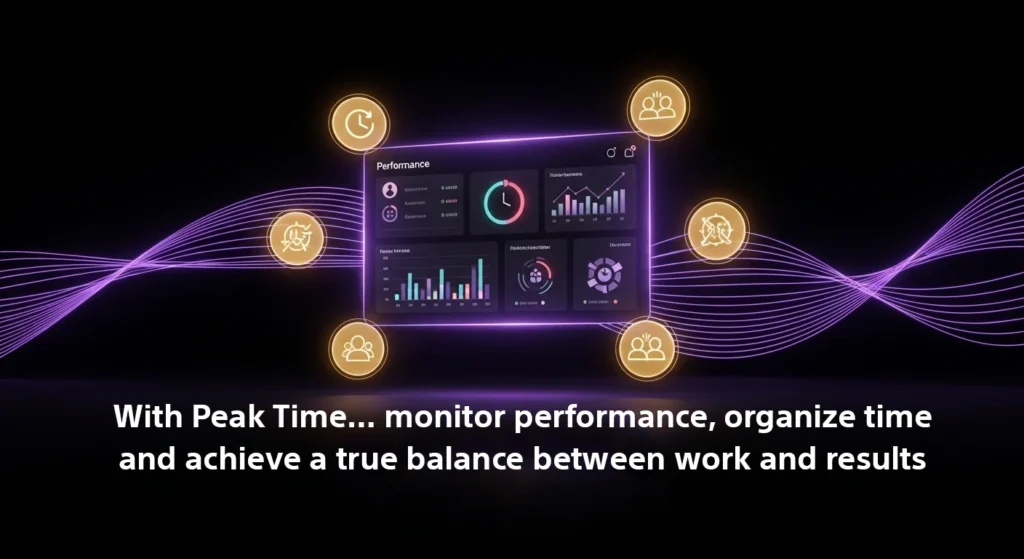
A modern tool focused on time tracking and performance analysis. It provides intelligent reports that help managers optimize effort and resource allocation, featuring an easy-to-use interface and strong collaborative capabilities.
B. Communication and Collaboration Tools
Slack:
One of the most popular instant messaging tools, allowing one-on-one and group messaging, organized by channels and projects. Its integration with hundreds of applications makes it ideal for reducing unnecessary meetings and speeding up team interaction.
Microsoft Teams:
A powerful option for companies using Microsoft 365. It supports video conferences, chats, and collaborative document editing within the same platform, creating a fully integrated digital workspace.
Google Chat:
Part of the Google Workspace ecosystem, it facilitates quick communication among team members, with easy sharing of files, documents, and calendars.
Key Challenges in Modern Team Management
Today, managing teams comes with a range of challenges that can hinder goal achievement, especially in digital and hybrid work environments. These challenges go beyond task organization to include communication, trust, and organizational culture within the team. Key challenges include:
-
Unclear Goals and Expectations:
A lack of clearly defined roles and responsibilities leads to confusion in workflows and a decline in both individual and team performance. -
Lack of Trust Among Team Members:
Weak communication and poor personal connections reduce collaboration and negatively affect team spirit and productivity. -
Conflicting Personalities and Objectives:
Differences in perspectives or a lack of alignment on shared goals can cause internal conflicts that obstruct progress. -
Poor Communication and Information Hoarding:
A lack of transparency in sharing information results in misunderstandings and poor coordination, increasing the likelihood of errors and delays. -
Overstaffing Without Necessity:
Unplanned increases in team size can create overlapping responsibilities and make task distribution less effective. -
Internal Competition and Role Overlap:
Unhealthy competition fosters a negative work environment, weakening team cohesion and overall productivity. -
Overreliance on the Team Leader:
When the leader is the sole source of decisions, the team loses autonomy and becomes less flexible in handling unexpected situations.
To address these challenges, leaders need a smart and flexible management approach that emphasizes continuous problem-solving, encourages open communication, and builds a culture of trust and participation. The more cohesive and collaborative the team, the better its ability to overcome obstacles and achieve goals efficiently and sustainably.
The Future of Team Management: 2025–2030
The future of team management between 2025 and 2030 is set for a radical transformation driven by rapid technological, economic, and social developments. Team success will no longer rely solely on human skills or digital tools but on the ability to integrate both into an intelligent and flexible system that enhances efficiency and fosters innovation.
Key future trends reshaping team management include:
-
The Rise of AI in Performance Analysis:
Artificial intelligence will become an essential partner in monitoring performance and providing real-time, data-driven insights, helping leaders make faster and more accurate decisions to boost productivity. -
Automated Task Allocation with Analytical Intelligence:
Management will shift from traditional models to smart systems that automatically assign tasks based on individual skills and project priorities, reducing administrative complexity and increasing work efficiency. -
Integration of Management Platforms into a Unified System:
HR tools, project management software, and performance analytics will converge into a single AI-powered platform, giving leaders a comprehensive view of team capabilities and achievements. -
Embedding a Multi-Location Team Culture:
As hybrid and remote work models continue to spread, multi-location teams will become the new standard. Leaders will need to strengthen cross-geographical and cross-cultural communication skills while fostering a flexible and inclusive team culture.
In light of these transformations, the effectiveness of future leaders will be measured by their ability to balance technology with humanity—leveraging AI and smart systems without losing the core of human leadership: communication, inspiration, and trust.
In conclusion, modern team management goes far beyond merely assigning tasks or monitoring performance. It is a comprehensive process that combines human-centered leadership, strategic thinking, and intelligent use of digital technologies.
Today’s leaders succeed by building cohesive, flexible, and creative teams capable of adapting to the fast-paced changes of the modern workplace. Designing the right organizational structure, leveraging digital tools wisely, and fostering a culture of collaboration and openness are all essential pillars for achieving goals efficiently and sustainably. In an environment where competition and innovation are constantly increasing, the human element remains the true driver of success—when managed with thoughtful leadership and a motivating, participatory approach.
At Peak Time, we believe that team success starts with a clear vision and seamless organization.
If you aim to improve how you manage your team—whether remote, in-office, or hybrid—explore smart tools that help you track performance, organize time effectively, and maintain a real balance between work and results.
Start today with Peak Time and give your team the clarity, focus, and collaboration it deserves.
- November 10, 2025
- PeakTime Team
- 10:54 pm
أحدث المقالات
Recent Posts
- Fundamentals of Performance Management: Your Path to Administrative Excellence

- Performance Improvement Plan (PIP): Effective Strategies for Managing Underperformance in Organizations

- Employee Performance Measurement Using Key Performance Indicators (KPIs)

- Employee KPIs: A Strategic Tool to Boost Performance and Foster a Culture of Excellence

- Job Performance Evaluation: Its Role and Importance in Organizational and Employee Development
